
Your route. Your charging window.
Assess the normal day, seasonal reserve and a dependable place to charge.
Plan the use case →WELTMEISTER / WM MOTOR EX5
Start with the price. Decide with the evidence.
New or unregistered stock needs separate availability, condition and support verification.
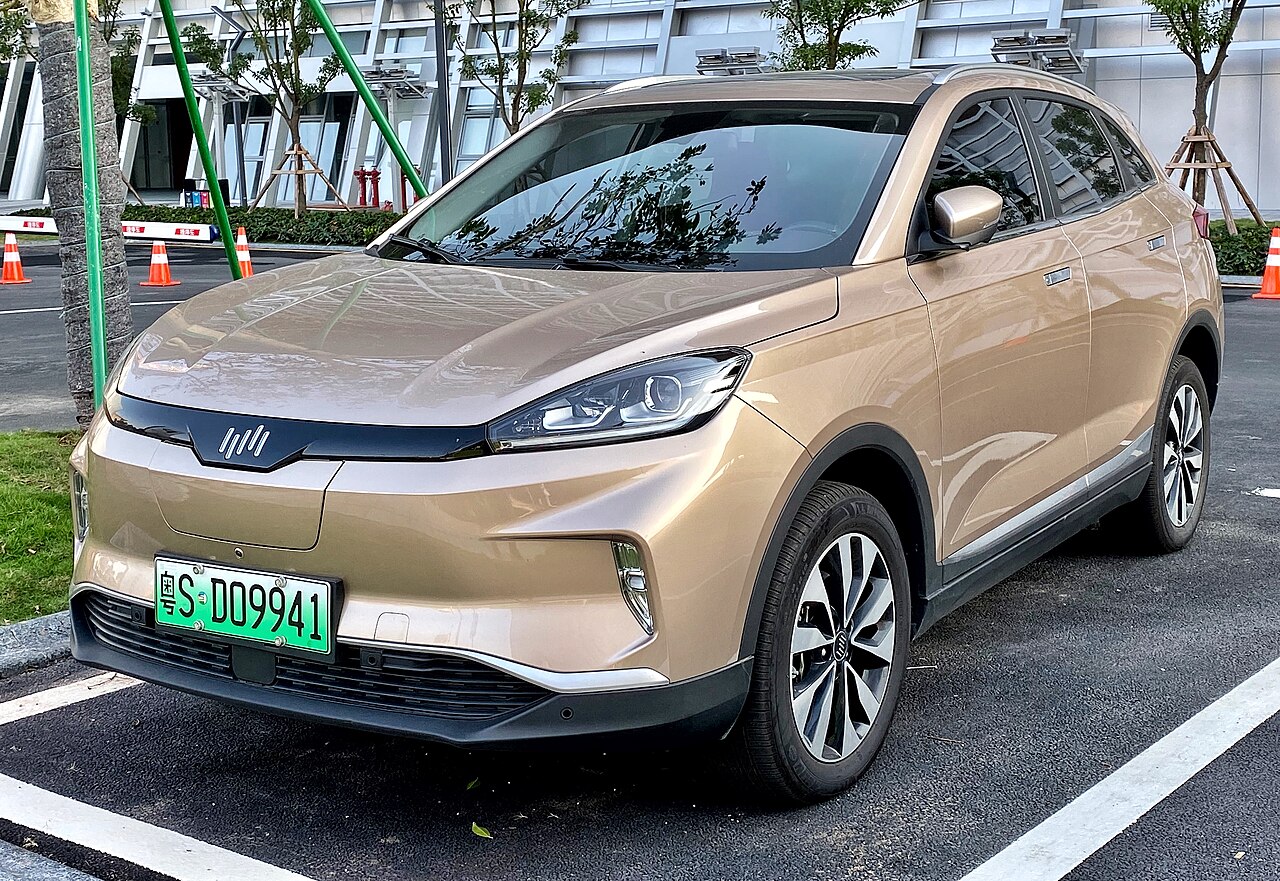
Reference photograph, not current stock or an inspection report. Used price published 30 October 2026; the selected car and written quotation determine the final price and included scope. Freight, taxes and destination charges need separate confirmation.
A PRACTICAL STARTING POINT
A low purchase price is only one part of an electric SUV decision. Put the route, charging access and service plan alongside the vehicle's condition.
Assess the normal day, seasonal reserve and a dependable place to charge.
Plan the use case →Define essential equipment, inspection acceptance and access to parts.
Review the support plan →Ask for documentary stock, production, storage and registration details. Any proposed support or warranty needs a named provider and written terms.
Request a stock-status check →01 / THE VEHICLE
The Weltmeister EX5, also known as the WM Motor EX5, is a battery-electric SUV. It needs external charging; it is a different vehicle from the Geely EX5.
Regular commuting, local business travel and return-to-base use are useful starting points for an EV assessment. Write down the normal route, the longest regular day, passenger load and where the car will park. A vehicle that fits the route but has nowhere dependable to charge is an incomplete purchase plan.
Plan around your own operating conditions. Traffic, road speed, gradients, temperature, cabin heating or cooling, tyres and battery condition affect the energy required. Keep a reserve for diversions and charger problems. A range figure in an advertisement should not be treated as a promise of the distance a used car will cover on your route.
Confirm that seating, access and luggage space work for your passengers and equipment. Request current cabin and load-area photographs rather than judging practicality from an exterior view. Check seat adjustment, air conditioning, windows, lighting, cameras and the features essential to your use on the actual vehicle.
For a fleet, define which features must be consistent across cars and which can vary. Agree how a proposed replacement vehicle will be identified and accepted. A matching badge or exterior colour does not establish matching equipment, battery hardware or charging performance.
When comparing running costs, use your local electricity tariff and the energy drawn from the charger, including charging losses where measured. A dashboard consumption reading and the amount billed at a public station need not be identical. Consider parking fees, public charging tariffs and downtime alongside electricity, rather than treating electric driving as a fixed saving in every market.
Use these three points to shape your EX5 enquiry. If the car will depend on public charging or serve several drivers, explain that early so the inspection and compatibility discussion reflect the intended job. Review service and parts support before moving from an attractive purchase price to a commitment.
02 / IDENTIFY THE SPECIFICATION
EX5 is the model family, not a complete specification. Establish the individual car's identity, battery and equipment before comparing offers.
Ask for the VIN, production labels, vehicle documents and an exact description of the proposed car. Separate production date from first registration. Reconcile the advertised version with the labels and records; translated trim names and badges are useful leads, not sufficient evidence on their own.
| Record | What to establish |
|---|---|
| Identity and history | VIN, production information, registration status, ownership records and declared use. |
| Battery identification | Installed pack designation and any documented replacement or repair. |
| Charging equipment | Inlet photographs, onboard charging specification and observed AC/DC operation. |
| Installed features | Working equipment, keys, cables, accessories and relevant modifications. |
A pack's nominal capacity, its usable energy and the energy available today are different concepts. A model description does not establish the present capacity of a used battery. Likewise, an official test-cycle range, a dashboard estimate and a road-test result answer different questions. Keep the test method and conditions attached to every number you compare.
A request for new or unregistered stock needs documentary availability and status checks. Confirm production information, storage history, registration records and the proposed service arrangements. That description must not be taken as evidence of current factory production or automatic manufacturer warranty coverage.
The US$7,000–8,500 reference is for a used EX5 sourcing discussion. Another condition, specification or delivery scope requires its own offer. Add your year, mileage and equipment preferences to the enquiry, then use the quotation checklist to compare the complete scope.
03 / BATTERY CHECKPOINT
A useful battery assessment connects the installed pack, diagnostic findings and observed operation. A dashboard charge graphic is not a battery-health certificate.
Request a dated diagnostic report from someone familiar with the relevant high-voltage system. Ask which control units were read, whether present or historical faults were accessible and whether codes were cleared before testing. The report should explain the readings, test conditions and any limits to the inspection.
Where the diagnostic tools support it, a technician can interpret battery-management data, cell or module voltage differences, temperatures and charging behaviour under stated conditions. A reported state-of-health percentage needs a method and context; different tools and procedures may not produce directly comparable results.
Have suitable personnel examine the battery enclosure and underside for impact, damage, corrosion or signs of water exposure. Review the relevant cooling system and any repair or replacement records. Confirm whether vehicle-specific recall or service-campaign actions apply and whether completion can be documented.
The low-voltage 12V battery serves a different role from the traction battery. Include it in the inspection, particularly where the car has been stored. An unexplained warning or a car that powers up is not enough to identify which system is healthy. High-voltage diagnosis and repair require properly trained personnel.
A short road test can reveal useful operating behaviour, but it does not establish full usable capacity or eliminate every battery risk. If a capacity test is proposed, agree the procedure, conditions, cost and interpretation beforehand. Ask for unresolved findings in writing and decide whether further inspection is needed before accepting the car.
Combine the battery file with the body, cabin and road inspection. Battery work, accident repairs and odometer evidence should be considered together rather than treating one encouraging result as approval of the whole vehicle.
04 / CHARGING CHECKPOINT
Confirm the actual charging interfaces and operating requirements before shipment. A connector that appears to fit does not establish a working charging system.
Request clear photographs of the inlets and charging labels. If the selected car has China-market GB/T equipment, assess that exact configuration against the supply and charging equipment available at your destination. Check voltage, frequency, phase, current limits and the vehicle's onboard charger with a qualified installer.
The vehicle and charging equipment both influence the result. A charging station's advertised output does not establish the power this car can accept. Identify the cable, portable equipment or fixed charger included in the sale, and confirm electrical protection and installation requirements locally.
AC operation does not prove DC operation. Confirm connector and communication compatibility with the intended DC network, including any provider restrictions. Do not assume a simple plug adapter resolves differences between charging standards. A proposed conversion needs specialist technical and regulatory assessment.
Ask for a recorded charging test with the charger identified, starting charge level, relevant temperatures, observed operation and any faults. Charging rate changes with battery state, temperature and limits imposed by the car or station; a brief peak reading is not a guaranteed charging time.
Also check how charging is started, stopped and unlocked, and which functions depend on an account or online service. Include offline operation in your requirements. Send your destination and the charger types you intend to use in your enquiry, together with any need for cables or installation advice from a local specialist.
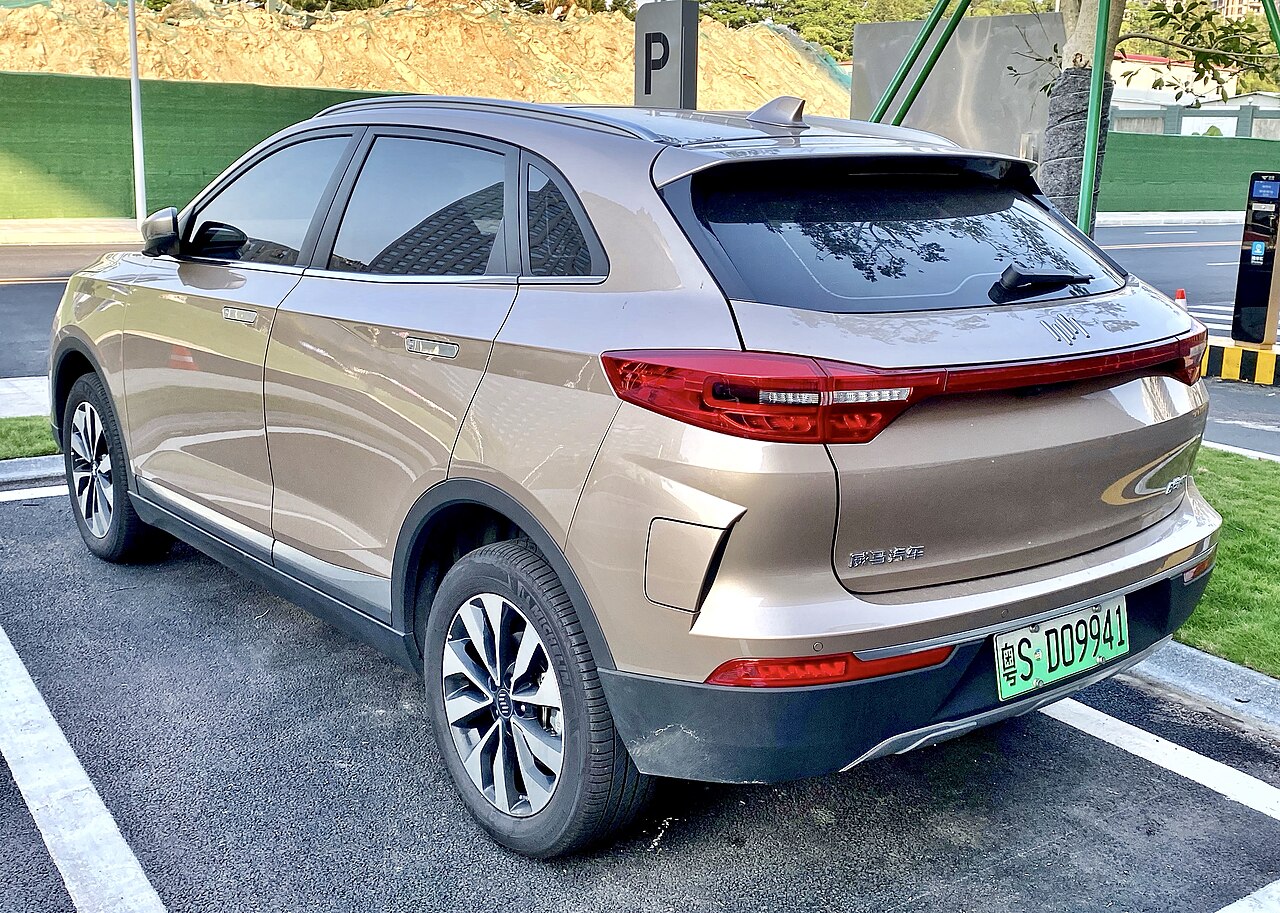
THE INDIVIDUAL VEHICLE MATTERS
Reference photos help identify the model. For a purchase, ask for current photographs, diagnostic records and a clear account of anything still untested.
Build the inspection brief ↗05 / VERIFY THE INDIVIDUAL VEHICLE
A useful inspection connects the VIN, history and present condition. It covers the entire EX5, including the areas that exterior photographs leave out.
Request clear views of the battery enclosure, mounting points, underbody protection and nearby wiring. Scraping and impact damage need an explanation from an EV-qualified inspector; a freshly cleaned underside does not settle their significance. Check structural areas, panel repairs, suspension mounting points and tyre wear alongside the car's declared history.
Inspect low cabin areas, connectors and cavities for water exposure or corrosion. Compare the odometer with service records, interior wear and available historical records. Treat unexplained discrepancies as an open question to resolve before agreeing the vehicle.
Include steering, brakes, suspension, tyres, air conditioning, lights, locks, windows and charging-port operation. Check seat adjustment, rear seating, luggage access and the keys provided. Screens, cameras and driver-assistance functions need an operating check on the actual specification, rather than a tick copied from another EX5 listing.
A road test should record warning messages, acceleration, braking and unusual noise or vibration. Combine it with the battery and diagnostic evidence, then distinguish items already verified from work still required.
For a multi-vehicle order, keep a separate dated report for each VIN. Similar colour and trim do not establish matching battery history or condition. Agree how a rejected car, incomplete test or proposed substitution will be handled. List any preparation work with an acceptance check so a promise to repair can be distinguished from documented completed work.
Ask whether any applicable recall or service campaign affects the VIN and obtain evidence of completion where relevant. The SAMR battery recall notice covers a defined vehicle population; it does not mean every EX5 is affected or that an individual car has been repaired. Resolve an applicable outstanding safety recall through the proper remedy before operation or shipment. For a vehicle described as new or unregistered, also review storage condition, battery care, transport damage and registration documents; low use is not a substitute for those checks.
06 / CONFIRM THE OWNERSHIP ROUTE
The right EX5 needs a workable plan for diagnosis, parts and charging after arrival. Establish that plan before comparing offers by price alone.
WM Motor has undergone restructuring. The court-registry restructuring notice is business background, not confirmation of current production, working connected services or parts availability. Verify the present arrangements for the selected car and destination.
Give a prospective workshop the vehicle identity, battery details and available fault report. Confirm what it can actually diagnose, whether it has appropriate high-voltage training and which work it would refer elsewhere. A general scan tool recognising the car is not proof that every battery, charging or control-system function is accessible.
Discuss parts by VIN and part number. Availability, compatibility, lead time and return arrangements matter for charging components, electronic modules and body parts as well as routine consumables. Where coding or calibration may be required, establish who can perform it.
Test essential controls without assuming an app account, mobile connection or remote server will remain available. Check account transfer, screen languages, phone pairing and the functions that work locally. Do not rely on a future software update to solve an issue that affects your purchase decision today.
Confirm the current service provider and any proposed warranty in writing, including destination coverage, exclusions and the claims process. Historical promotional terms or an old dealer listing do not establish support for a used vehicle exported now.
Plan an initial service around the condition report and the correct vehicle information. Include the low-voltage battery, tyres, brake condition and fluid or cooling-system work that the inspection identifies. Ask the receiving workshop what records it wants before arrival. Do not open, probe or attempt repairs to high-voltage components yourself; use personnel with the relevant training and equipment.
07 / DEFINE THE PRICE SCOPE
Use this reference range to begin a Weltmeister EX5 enquiry. The selected vehicle, its evidence and the agreed services determine the actual quotation.
| Question | What to establish |
|---|---|
| Used EX5 purchase | US$7,000–8,500 reference; confirm the actual car, condition, history and equipment. |
| New or unregistered stock | Availability and documented status require checking. No new-car price or current factory supply is assumed. |
| Delivery and ownership | Define services, freight, destination charges and any preparation or support allowance separately. |
Request an itemised scope covering inspection, preparation, inland transport, export handling, freight and insurance as applicable. Confirm which items are included and which remain to be quoted. Destination duties, taxes, port fees, clearance and registration need assessment for your market; the reference range is not a delivered-price commitment.
A lower offer may reflect a different battery specification, unresolved repairs, missing accessories or less supporting evidence. Compare like-for-like condition and delivery scope, then organise your figures in the per-vehicle cost worksheet. Include the features you can compromise on and the requirements you cannot in your enquiry.
08 / PLAN THE DELIVERY
Import suitability and a usable charging arrangement should be checked before committing to the vehicle. Export preparation does not itself guarantee registration abroad.
Give a qualified destination broker the exact vehicle details. Check age and registration rules, steering position, conformity requirements, applicable EV restrictions and the intended registration category. Review charging compatibility and local workshop support at the same time.
Record the vehicle identity or specification, quantity, condition, price, currency, payment stages and acceptance criteria. Identify who arranges inspection, preparation, export services, insurance and clearance. Where a delivery term is used, state its named place and confirm the responsibilities attached to it.
Agree the route-specific records with your broker and service providers. These may include an invoice, vehicle or registration records, export/customs paperwork and transport documents. Confirm any translation, inspection or certification requirement. The carrier must accept the vehicle and its battery condition for the proposed shipping arrangement; do not assume that a damaged or faulty EV can travel under the same conditions as a normal vehicle.
Confirm loading requirements, keys, accessories, charging equipment and condition photographs. Review insurance scope and exclusions. Establish collection, clearance and inspection arrangements at arrival; schedules remain subject to the relevant booking and transport conditions.
09 / QUICK ANSWERS
A clear brief helps move from a reference price to a vehicle-specific discussion.
It is a used-vehicle reference range, not a confirmed delivered offer. Ask for a written quotation separating the vehicle and included services from freight, insurance and destination costs.
Yes, as a request to check any documented new or unregistered stock. Availability, storage history, registration status and support must be verified individually. This does not imply current factory production or a new-car warranty.
Share your preferences, firm limits and quantity in the enquiry. Compare suitable proposals against their documents and condition reports. Availability and the final specification require confirmation for the actual car.
A rating or model badge is not a guarantee of usable driving distance. Identify the exact version and test basis, then consider battery condition, route, speed, temperature and climate-control use. See the version and range checks.
No. Physical fit alone does not establish electrical or communication compatibility. Verify the car's actual AC/DC interfaces and a suitable charging setup for your destination with qualified specialists before purchase.
Include destination country and port, quantity, used or new-stock preference, budget, acceptable years and mileage, essential equipment and requested delivery scope. Add an email address or WhatsApp number for a reply.
10 / YOUR COST LEDGER
Use one vehicle as the basis. Enter amounts you have been quoted, allocating shared shipment costs per vehicle. The worksheet adds your inputs; it does not produce tax assessments, freight rates or an offer.
Vehicle allowance only. Three other cost categories have not been entered.
Blank means unknown, not free. Avoid counting an included cost twice. Convert every amount to USD on a consistent basis and allow separately for any local charging installation or support you need.
This is an incomplete planning subtotal until all relevant costs are entered, not a verified landed price. Entries are shared only when added to your enquiry and submitted.
11 / TALK THROUGH YOUR EX5
Share the destination, intended use and the evidence you need. We can discuss a used EX5 proposal or check a new/unregistered stock request separately, with vehicle details and responsibilities confirmed before purchase.
Submitting the enquiry sends your name or company, contact details and chosen vehicle requirements to Panda through our enquiry service. We use that information to reply, clarify the specification, check the requested sourcing route and discuss the export services you need. Relevant details may be shared with parties needed to prepare your requested quotation or service.
Optional WhatsApp and Email links open the chosen service with a message for review. You decide whether to send it there; those services process information under their own policies. Do not include passwords, payment credentials or identity-document images in an initial enquiry.
For questions, correction or deletion requests, email info@pandausedcars.com. Records needed for an active enquiry, a transaction or applicable recordkeeping may need to be retained. This page does not load third-party analytics. Notice dated 30 October 2026.